Time-Tested Secrets to Staying Younger, Longer
Aging is inevitable, but how we age is largely within our control. Science shows that daily habits shape our biological clock more than genes do. From energy levels to skin elasticity and joint mobility, small consistent choices add up. This article explores proven, holistic strategies for body maintenance that support vitality, resilience, and long-term well-being—because feeling young isn’t about turning back time, but making the most of every moment.
Understanding Aging: More Than Just Wrinkles
Aging is often viewed through the lens of visible changes—graying hair, fine lines, slower movement. But biologically, aging is a complex process that begins at the cellular level. As we grow older, our cells gradually lose their ability to divide and function efficiently. This decline is influenced by oxidative stress, which occurs when free radicals damage cells faster than the body can repair them. Mitochondria, the energy producers within cells, become less effective, leading to reduced stamina and slower recovery from daily exertion. Metabolism naturally slows, and hormonal shifts affect everything from sleep quality to muscle maintenance.
Many people assume aging is primarily a cosmetic concern, but its impact runs much deeper. Organ systems, including the heart, liver, and kidneys, experience functional changes over time. Muscle mass decreases by about 3% to 8% per decade after age 30, a process known as sarcopenia, which can lead to frailty if not addressed. Bone density declines, increasing fracture risk. Even the immune system becomes less responsive, making older adults more susceptible to infections. These internal shifts are often silent until symptoms appear, which is why proactive care matters long before noticeable decline.
One of the most empowering concepts in modern longevity science is the distinction between chronological age and biological age. Chronological age is simply the number of years you’ve lived. Biological age reflects how well your body functions compared to your calendar age. Two women who are both 50 years old may have vastly different biological ages based on lifestyle factors. A woman who exercises regularly, eats whole foods, sleeps well, and manages stress may have the cellular health of a 40-year-old. This difference is not just theoretical—it can be measured through biomarkers like inflammation levels, telomere length, and metabolic health.
Genetics do play a role in how we age, but research suggests they account for only about 20% to 30% of longevity outcomes. The remaining 70% to 80% is shaped by lifestyle choices. This means that while we can’t change our DNA, we have significant influence over how our genes are expressed through epigenetics. Daily habits—what we eat, how we move, how we rest—act as signals that can either accelerate or slow down the aging process. Understanding this empowers individuals to take meaningful action at any stage of life.
The Power of Movement: Why Your Body Needs Daily Stress
Physical activity is one of the most powerful tools for maintaining youthfulness. Contrary to the outdated belief that rest preserves energy, the body thrives on movement. In fact, regular exercise introduces beneficial stress—known as hormesis—that strengthens cells and systems over time. One of the most compelling findings in longevity research is that people who engage in consistent physical activity tend to have longer telomeres, the protective caps at the ends of chromosomes that shorten with age. Longer telomeres are associated with slower cellular aging and reduced risk of age-related diseases.
Different types of movement serve unique purposes in preserving health. Strength training, for example, is essential for maintaining muscle mass and bone density. Resistance exercises like lifting weights, using resistance bands, or doing bodyweight exercises such as squats and push-ups stimulate muscle fibers, prompting the body to build and preserve lean tissue. This is crucial because muscle is metabolically active—it burns calories even at rest—so maintaining it helps regulate weight and insulin sensitivity. Strong muscles also support joint stability, reducing the risk of falls and injuries, which become more dangerous with age.
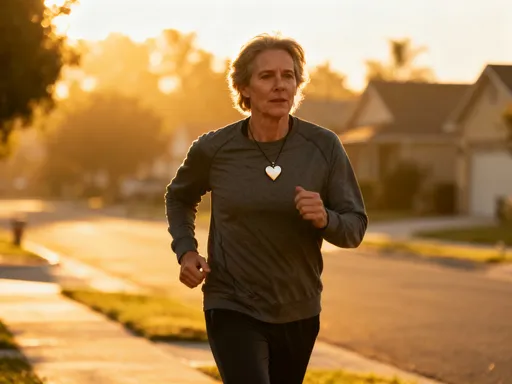
Aerobic exercise, such as brisk walking, swimming, or cycling, improves cardiovascular health and lung capacity. It enhances circulation, delivering oxygen and nutrients to tissues while supporting brain health. Studies show that regular aerobic activity can delay cognitive decline and improve mood by increasing the production of endorphins and neurotrophic factors that support neuron growth. For many women in their 30s to 50s, finding time for long workouts can feel challenging, but even 20 to 30 minutes of moderate activity most days offers substantial benefits.
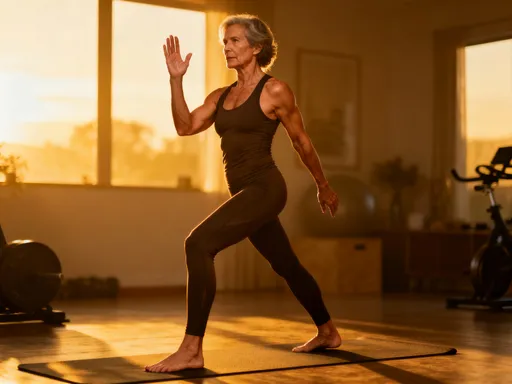
Flexibility and balance exercises are equally important, especially as we age. Practices like yoga, tai chi, or simple stretching routines improve range of motion, reduce stiffness, and enhance coordination. These activities help maintain independence by preventing mobility issues that can arise from tight muscles or poor posture. The key is consistency rather than intensity. A short daily stretch routine, a 10-minute walk after meals, or a weekly strength session can make a measurable difference over time. Movement doesn’t have to be complicated or time-consuming to be effective—it just needs to be regular.
Fueling Longevity: Nutrition as Daily Maintenance
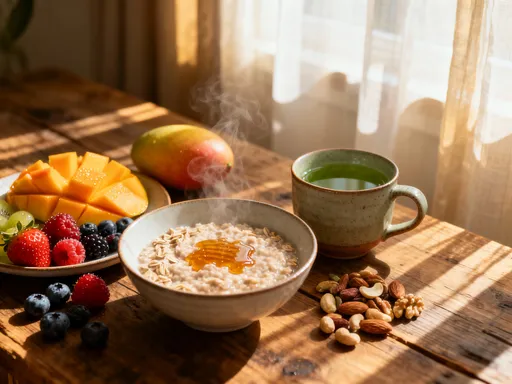
Just as a high-performance car requires premium fuel, the human body functions best when nourished with high-quality foods. Nutrition is not about short-term diets or deprivation; it’s about daily maintenance that supports cellular repair, energy production, and immune resilience. The most well-documented dietary patterns linked to longevity—such as the Mediterranean diet and traditional Okinawan eating—emphasize whole, minimally processed foods rich in nutrients and antioxidants. These diets are plant-forward, featuring vegetables, fruits, legumes, whole grains, nuts, and seeds, with moderate amounts of fish, poultry, and healthy fats like olive oil.
One of the cornerstones of anti-aging nutrition is reducing inflammation. Chronic, low-grade inflammation is a key driver of aging and is linked to conditions like heart disease, arthritis, and cognitive decline. Foods high in refined sugars, trans fats, and processed ingredients tend to promote inflammation, while colorful plant foods contain compounds that help neutralize it. For example, berries are rich in anthocyanins, leafy greens provide lutein and folate, and turmeric contains curcumin—all of which have been studied for their protective effects. Incorporating a variety of colorful vegetables and fruits into meals ensures a broad spectrum of protective phytonutrients.
Hydration is another often-overlooked aspect of nutritional health. Water supports every bodily function, from digestion to temperature regulation and waste elimination. Dehydration can mimic signs of aging, such as fatigue, dry skin, and brain fog. While individual needs vary, a general guideline is to drink enough so that urine is pale yellow. Herbal teas, broths, and water-rich foods like cucumbers and melons also contribute to fluid intake. Fiber, found in whole grains, vegetables, and legumes, supports gut health, which is increasingly recognized as central to overall well-being. A healthy gut microbiome influences everything from nutrient absorption to immune function and even mood regulation.
Meal timing and portion awareness can also play a supportive role without requiring strict dieting. Eating at regular intervals helps stabilize blood sugar, preventing energy crashes and cravings. Some research suggests that time-restricted eating—consuming all daily calories within a 10- to 12-hour window—may support metabolic health by giving the digestive system a break. However, the most sustainable approach is one that fits an individual’s lifestyle. Simple plate guidelines, such as filling half the plate with vegetables, one-quarter with lean protein, and one-quarter with whole grains, make healthy eating intuitive. Small, consistent changes—like swapping white bread for whole grain, choosing water over sugary drinks, or adding an extra serving of vegetables to dinner—accumulate into lasting benefits.
Sleep: The Overlooked Anti-Aging Pillar
Sleep is often sacrificed in the pursuit of productivity, yet it is one of the most powerful anti-aging interventions available. During sleep, the body performs essential maintenance: repairing tissues, balancing hormones, consolidating memories, and clearing metabolic waste from the brain. The glymphatic system, a waste clearance system in the brain, becomes especially active during deep sleep, removing toxins like beta-amyloid, which is linked to Alzheimer’s disease. Without sufficient rest, these processes are disrupted, accelerating signs of aging both internally and externally.
Poor sleep quality or insufficient duration has been linked to higher levels of cortisol, the stress hormone. Chronically elevated cortisol can lead to increased abdominal fat, weakened immunity, and impaired cognitive function. It also contributes to insulin resistance, raising the risk of type 2 diabetes. Women going through perimenopause or menopause may experience sleep disturbances due to hormonal fluctuations, making sleep hygiene even more critical. Even a single night of poor sleep can affect mood, concentration, and appetite regulation, creating a ripple effect on daily choices.
To support restorative sleep, consistency is key. Going to bed and waking up at the same time every day—even on weekends—helps regulate the body’s internal clock, or circadian rhythm. Exposure to natural light in the morning reinforces this rhythm, while minimizing artificial light in the evening supports melatonin production, the hormone that signals sleep readiness. Creating a screen-free wind-down routine 60 to 90 minutes before bed—such as reading, gentle stretching, or listening to calming music—can signal the body that it’s time to rest.
The sleep environment also plays a significant role. A cool, dark, and quiet bedroom promotes deeper sleep. Blackout curtains, white noise machines, and comfortable bedding can enhance comfort. Avoiding caffeine in the afternoon and limiting alcohol intake—especially close to bedtime—is important, as both can fragment sleep. While alcohol may make someone feel drowsy, it disrupts the later stages of the sleep cycle, reducing restorative REM sleep. Many women report that when they prioritize sleep, they notice improvements not just in energy levels, but in skin clarity, emotional resilience, and mental sharpness—further reinforcing the value of this foundational habit.
Stress Resilience: Protecting Your Body from Invisible Wear
Chronic stress is a silent accelerator of aging. Unlike acute stress, which is a natural and sometimes helpful response to immediate challenges, chronic stress results from ongoing pressures—work demands, family responsibilities, financial concerns—that keep the body in a prolonged state of alert. This constant activation of the stress response system leads to elevated cortisol and adrenaline levels, which, over time, take a toll on the cardiovascular system, weaken immunity, and impair digestion. Chronic stress has also been linked to shorter telomeres, suggesting it literally ages cells faster.
The good news is that stress resilience can be cultivated. Mind-body practices offer effective ways to interrupt the stress cycle and restore balance. Deep breathing exercises, for example, activate the parasympathetic nervous system, which counteracts the “fight-or-flight” response. Simple techniques like diaphragmatic breathing—inhaling deeply through the nose, allowing the belly to rise, and exhaling slowly—can be done anywhere and produce noticeable calming effects within minutes. Mindfulness meditation, even for just 5 to 10 minutes a day, has been shown to reduce anxiety, improve focus, and enhance emotional regulation.
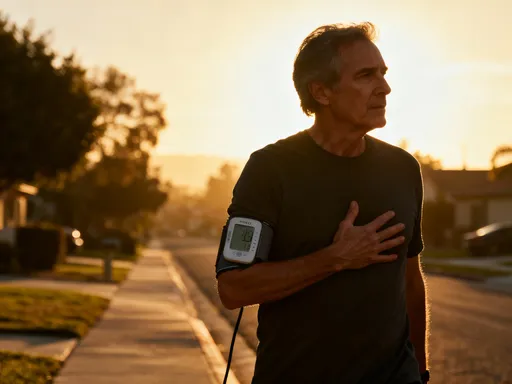
Nature exposure is another powerful tool for stress reduction. Spending time outdoors, whether walking in a park, gardening, or simply sitting under a tree, lowers cortisol levels and improves mood. The concept of “forest bathing,” or shinrin-yoku, practiced in Japan, emphasizes mindful immersion in natural settings and has been linked to improved immune function and lower blood pressure. Even urban dwellers can benefit from green spaces, potted plants at home, or nature sounds played during breaks.
Emotional regulation is just as important as physical health in the aging process. Women who practice self-compassion, set healthy boundaries, and engage in meaningful social connections tend to age more gracefully. Small daily resets—pausing to take three deep breaths, writing down one thing they’re grateful for, or stepping away from screens for a quiet moment—help prevent stress from accumulating. These practices don’t eliminate life’s challenges, but they build a buffer that protects both mental and physical health over time.
Skincare from the Inside Out: Beyond Creams and Serums
While skincare products have their place, true skin health begins within the body. The skin is the largest organ and reflects overall well-being. Nutritional deficiencies, dehydration, hormonal changes, and poor circulation can all manifest as dullness, dryness, or accelerated wrinkling. Rather than relying solely on topical solutions, a holistic approach addresses the internal factors that support skin integrity and repair.
Nutrition plays a direct role in skin appearance. Foods rich in antioxidants—such as berries, spinach, and nuts—help combat free radical damage from UV exposure and pollution. Omega-3 fatty acids, found in fatty fish, flaxseeds, and walnuts, support the skin’s lipid barrier, helping it retain moisture and stay supple. Collagen, a structural protein that declines with age, can be supported through adequate protein intake and nutrients like vitamin C, zinc, and copper, which are necessary for its synthesis. Bone broth, eggs, and lean meats are good dietary sources, though the body can produce collagen effectively with the right building blocks.
Hydration is equally critical. Water maintains skin elasticity and plumpness, while dehydration can make fine lines more noticeable. Drinking enough fluids throughout the day, combined with consuming water-rich fruits and vegetables, supports a healthy glow. Circulation also affects skin health—regular movement increases blood flow, delivering oxygen and nutrients to skin cells. This is why many women notice their complexion looks brighter after a walk or workout.
External protection remains essential. Daily use of broad-spectrum sunscreen with at least SPF 30 is the most effective way to prevent photoaging, which accounts for up to 90% of visible skin aging. UV exposure breaks down collagen and elastin, leading to wrinkles and sunspots. Smoking and excessive alcohol consumption also accelerate skin aging by reducing blood flow and depleting antioxidants. The goal is not perfection, but consistency—wearing sunscreen daily, staying hydrated, eating nutrient-dense foods, and avoiding known skin stressors. Over time, these habits lead to gradual, natural improvements that no cream alone can achieve.
Building a Sustainable Routine: Small Steps, Big Impact
The most effective longevity strategies are not extreme overhauls, but sustainable habits integrated into daily life. Many women feel overwhelmed by the idea of transforming their health all at once, which can lead to burnout and abandonment of good intentions. A more realistic and successful approach is habit stacking—linking a new behavior to an existing one. For example, drinking a glass of water immediately after brushing teeth in the morning, or taking a five-minute walk after lunch. These small actions build momentum without requiring drastic lifestyle changes.
Starting with one manageable change increases the likelihood of long-term success. Whether it’s committing to a consistent bedtime, adding a serving of vegetables to dinner, or doing a 10-minute stretch routine before bed, focusing on one habit allows it to become automatic before adding another. Tracking progress—not through numbers on a scale, but through how one feels—can be motivating. Improved energy, better sleep, and a greater sense of control are meaningful indicators of progress.
It’s also important to embrace imperfection. No one follows an ideal routine every day, and that’s okay. The goal is consistency over time, not flawless execution. Missing a workout or eating a less-than-ideal meal doesn’t negate weeks of good habits. What matters is returning to the routine without self-criticism. Self-compassion is a crucial part of sustainable health.
Body maintenance is not about chasing youth, but about honoring the body’s needs so it can continue to support a vibrant, engaged life. Every positive choice—choosing water over soda, taking the stairs, pausing to breathe deeply—is an act of care. Over time, these choices compound, leading to greater resilience, independence, and well-being. Staying younger, longer, isn’t about defying age—it’s about nurturing the body with intention, one day at a time.