How I Revived My Hair After Damage — Real Talk, No Hype
Hair breakage, dryness, and flat strands used to be my daily reality. After years of heat styling and chemical treatments, my hair lost its bounce and strength. That’s when I started treating it like a recovery journey, not just a beauty routine. This isn’t about quick fixes — it’s about real, consistent care. If you’ve ever looked in the mirror and felt like your hair lost its life, you’re not alone. Here’s how I turned mine around, one healthy choice at a time.
The Wake-Up Call: When My Hair Couldn’t Take It Anymore
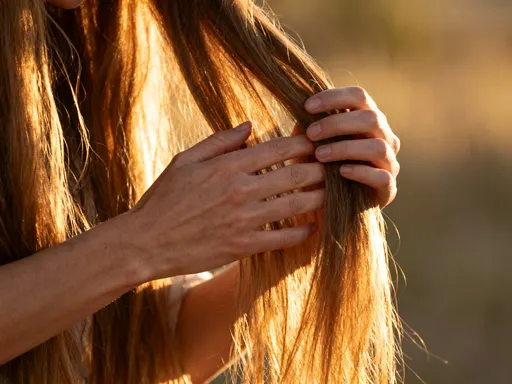
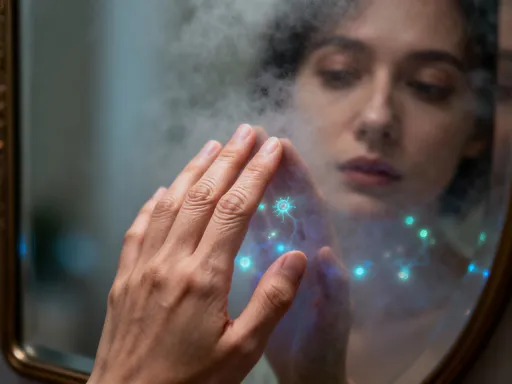
There was a moment, standing in front of the bathroom mirror after a shower, when I truly saw the state of my hair for the first time. A single strand snapped between my fingers with almost no pressure. That small, quiet break felt like a wake-up call. For years, I had styled without thought — flat irons every other day, frequent coloring, tight ponytails that pulled at the roots. I treated my hair like an accessory, not a living part of my body that needed care. The signs had been there: split ends creeping up the shaft, strands falling out in the brush, a lack of volume that no product could fix. But it wasn’t until I saw how brittle and fragile it had become that I realized this wasn’t just about appearance — it was about damage.
Common signs of hair trauma are easy to overlook when they appear gradually. Split ends are often dismissed as normal, but they’re actually a clear signal that the protective outer layer of the hair — the cuticle — has been compromised. Thinning hair, especially around the temples or part line, can indicate ongoing stress from tight styles or over-processing. Lack of growth doesn’t always mean your hair isn’t growing; it might mean it’s breaking off faster than it can lengthen. Brittle strands that snap easily, tangles that won’t come out, and a rough texture are all distress signals. These aren’t cosmetic issues — they’re symptoms of structural damage.
What changed everything was shifting my mindset. I stopped seeing hair care as a series of beauty tricks and started viewing it as rehabilitation. Just as you wouldn’t ignore a sprained ankle or keep running on an injured knee, I realized I couldn’t keep styling damaged hair without consequences. I began to treat my hair like skin — something that could be healed, protected, and nurtured. This wasn’t about covering up flaws with serums or sprays. It was about creating the right conditions for repair. That shift — from masking to mending — became the foundation of my recovery.
Understanding Hair Damage: What Really Happens Beneath the Surface
To heal my hair, I first had to understand what damage actually meant. Hair doesn’t have nerves, so it doesn’t “feel” pain, but it shows distress through visible changes. Each strand is made up of layers, with the outer cuticle acting like shingles on a roof, protecting the inner cortex. When exposed to heat, chemicals, or mechanical stress — such as brushing wet hair or using tight elastics — that cuticle lifts and cracks. Once it’s damaged, the inner structure becomes vulnerable to moisture loss, breakage, and further weakening. Think of your hair like a frayed rope: when the outer fibers unravel, the whole strand becomes weaker and more likely to snap.
One of the biggest myths I had to unlearn was that hair damage is only caused by one thing — like too much heat. In reality, it’s often cumulative. A bleach session here, a flat iron there, sleeping with wet hair, even harsh shampoos — all of these contribute over time. Another misconception is that trimming is the only solution. While regular trims help remove split ends, they don’t address the root cause of why the ends are splitting in the first place. Damage happens along the entire length of the hair, and without changing habits, new growth will face the same fate.
Prevention is just as important as repair. Once I understood that every styling choice had a consequence, I became more intentional. I learned that heat above 300°F (149°C) can permanently alter the protein structure of hair, leading to weakened strands. Chemical treatments like relaxers or bleaching lift the cuticle to deposit or remove color, which can leave hair porous and fragile. Even brushing — something I’d always done without thought — could cause breakage if done too aggressively, especially on wet hair when it’s most vulnerable. Knowledge didn’t fix my hair overnight, but it gave me the power to make better choices.
Understanding the science behind hair damage helped me move away from quick fixes and toward sustainable healing. I stopped chasing instant results and focused instead on creating long-term resilience. This wasn’t about finding a miracle product — it was about respecting the biology of my hair and working with it, not against it.
The Foundation of Hair Rehab: Gentle Cleansing and Scalp Health
If hair is the plant, the scalp is the soil. No matter how many treatments I applied to the strands, progress stalled until I addressed the foundation: my scalp. A healthy scalp creates the environment for strong, resilient hair growth. But years of using harsh shampoos with sulfates had stripped my scalp of its natural oils, leading to dryness, flakiness, and irritation. I realized that cleansing wasn’t just about removing dirt — it was about maintaining balance.
I switched to sulfate-free cleansers, which clean without over-stripping. These formulas are gentler on the scalp’s natural moisture barrier and help preserve the hair’s protective oils. I also experimented with co-washing — using a conditioner to cleanse instead of shampoo — especially on days when my hair didn’t feel oily. This method was particularly helpful for maintaining hydration without weighing my strands down. It took time to adjust — I had to relearn how often to wash, how much product to use, and how to tell when my scalp truly needed cleansing versus just refreshing.
Washing frequency became a personal experiment. I used to shampoo every other day, believing it kept my hair “clean,” but that routine was drying it out. I gradually extended the time between washes, sometimes going three to four days, depending on my activity level and climate. I also lowered the water temperature — hot water can strip natural oils and irritate the scalp, so I rinsed with lukewarm or cool water instead. This small change reduced itchiness and left my scalp feeling calmer.
One of the most impactful habits I adopted was the scalp massage. I spent just three to five minutes each wash day massaging my scalp with my fingertips in circular motions. This wasn’t just soothing — it stimulated blood circulation, which supports hair follicle health. Over time, I noticed less shedding during washing, a reduction in dry flakes, and a subtle improvement in texture. My hair didn’t just look healthier — it felt stronger at the root. Gentle cleansing and scalp care didn’t produce overnight miracles, but they created the stable base my hair needed to begin healing.
Repairing the Strand: Conditioner, Masks, and Leave-In Care
Once my scalp was on a better path, I turned my attention to the strands themselves. Hydration and protein balance became the twin pillars of my repair routine. Damaged hair loses moisture easily and lacks structural strength, so I needed both deep nourishment and reinforcement. Conditioners were no longer just a step in my shower — they became targeted treatments. I started using conditioners with ingredients like shea butter, ceramides, and natural oils such as argan and coconut, which help seal the cuticle and prevent moisture loss.
Deep conditioning once a week became non-negotiable. I applied a rich mask from mid-length to ends — the oldest and most vulnerable parts of my hair — and left it on for at least 20 to 30 minutes, sometimes with a warm towel wrapped around my head to open the cuticle and enhance absorption. I noticed a difference within weeks: my hair detangled more easily, felt smoother to the touch, and had a subtle shine that hadn’t been there before. These masks weren’t just about feel — they were delivering essential lipids and proteins back into the hair shaft.
Leave-in products became another key tool. I used a lightweight leave-in conditioner or cream daily to protect my hair from environmental stressors and prevent dryness between washes. These products acted like a shield, especially on windy or dry days. I applied them to damp hair, focusing on the ends, and avoided heavy formulas that could build up or weigh my strands down. Over time, I learned that consistency mattered more than intensity — using a modest amount daily was more effective than occasional heavy treatments.
But I also learned the importance of balance. Too much moisture without enough protein can lead to “hygral fatigue,” where hair swells and weakens from absorbing too much water. On the other hand, too much protein can make hair stiff and brittle. I paid attention to how my hair responded: if it felt mushy or limp, I reduced moisture and added a protein treatment. If it felt rough or straw-like, I focused on hydration. This balance wasn’t static — it changed with the seasons, my routine, and my hair’s condition. Tuning into these signals helped me maintain progress without overloading my strands.
Protective Habits That Make a Difference (Beyond Products)
As my routine evolved, I realized that what I did outside the bathroom mattered just as much as the products I used. Lifestyle habits played a quiet but powerful role in hair recovery. One of the simplest changes was switching to a silk pillowcase. Cotton absorbs moisture and creates friction, leading to tangles and breakage overnight. Silk, being smoother, reduced that friction and helped my hair glide instead of snag. I also started using loose hairstyles — braids or low buns — when I slept, especially with wet hair, to minimize stress on the strands.
I gave up daily blow-drying. Heat styling had been a major contributor to my damage, so I committed to air-drying whenever possible. When I did use a blow dryer, I applied a heat protectant and used the lowest effective setting. I also switched to a microfiber towel instead of a regular cotton one. Microfiber is gentler on wet hair, which is at its most fragile state, and helps reduce frizz and breakage during drying. These small swaps didn’t require extra time — they just required awareness.
Diet and hydration also became part of my hair care philosophy. Hair is made of keratin, a protein, so I made sure I was eating enough protein-rich foods like eggs, beans, and lean meats. I also increased my water intake, knowing that dehydration affects not just skin but hair texture and resilience. Omega-3 fatty acids from sources like walnuts and flaxseeds supported scalp health, and I made an effort to include more leafy greens for their vitamins and minerals. While nutrition alone won’t fix damaged hair, it creates the internal conditions for stronger growth.
Sleep and stress management, though indirect, also influenced my progress. Chronic stress can disrupt the hair growth cycle and contribute to shedding. I began prioritizing rest and finding ways to unwind — whether through walks, reading, or quiet time in the evening. I didn’t aim for perfection, but I noticed that on days when I felt calmer, my hair seemed more manageable. Healing wasn’t just topical — it was holistic.
Tracking Progress: What Improved and What Took Time
Recovery wasn’t linear. There were weeks when I saw no change, and others when a small improvement felt like a breakthrough. The first sign of progress was reduced breakage. After about six weeks of consistent care, I noticed fewer strands in my brush and less snapping when I ran my fingers through my hair. That small shift gave me the motivation to keep going.
After three months, my ends stopped splitting as quickly. I hadn’t trimmed in a while, yet the tips looked healthier — less frayed, more intact. Growth was slower to notice, but around the four-month mark, I realized my ponytail was slightly longer. It wasn’t dramatic, but it was real. My hair also felt thicker, not because I had more strands, but because each one was stronger and less prone to breakage. The texture had improved — softer, shinier, and more resilient to daily wear.
I learned to celebrate small wins. A good hair day wasn’t just about how I looked — it was evidence that my efforts were working. But I also accepted that progress required patience. Hair grows about half an inch per month, and full recovery from damage can take months, even years, depending on severity. I stopped comparing myself to others or to social media images of instant transformations. Instead, I focused on consistency. Showing up every day with gentle choices — saying no to heat, choosing a protective style, applying a mask — added up in ways I couldn’t always see immediately.
What surprised me most was how much my relationship with my hair changed. I no longer saw it as something to fix or control. I saw it as something to care for, like a garden that thrives with attention and time. The journey taught me that healing isn’t about intensity — it’s about showing up, consistently, with kindness and intention.
When to See a Professional: Knowing the Limits of DIY Care
While much of hair recovery can be managed at home, I learned that some issues go beyond what routines and products can fix. There was a period when, despite all my efforts, I noticed sudden thinning and increased shedding. At first, I assumed it was part of the recovery process — shedding old, damaged hair to make way for new growth. But when it continued for more than three months, I realized it might be something else.
I made an appointment with a dermatologist who specialized in hair and scalp conditions. I was nervous — I didn’t want to admit that my DIY efforts weren’t enough. But the consultation was reassuring. The doctor examined my scalp, asked about my medical history, and ran a few basic tests. It turned out I had a mild hormonal imbalance that was contributing to the shedding. This wasn’t something I could have diagnosed or treated on my own. With a simple blood test and a minor adjustment to my routine — including a doctor-recommended supplement — the shedding slowed significantly.
This experience taught me that self-care and professional guidance aren’t opposites. Seeking help wasn’t a failure — it was an act of responsibility. Conditions like alopecia, scalp psoriasis, or nutrient deficiencies require medical evaluation and treatment. A trichologist or dermatologist can identify underlying causes that aren’t visible to the naked eye. I now see professional check-ups as part of long-term hair health, just like annual physicals or dental cleanings.
There’s no shame in needing expert support. In fact, it’s a sign of strength — the willingness to look beyond what we think we know and seek truth. Whether it’s unexplained hair loss, persistent scalp irritation, or a sudden change in texture, listening to your body and consulting a professional is one of the most caring choices you can make.
Hair rehabilitation isn’t about perfection — it’s about respect. Treating damaged hair with patience, science-backed care, and daily mindfulness can lead to real transformation. This journey taught me that healing takes time, but every small choice adds up. Whether your hair is recovering from years of damage or just needs a reset, the path starts with one simple truth: healthy hair begins with how you treat it today.