Tracked my energy for 30 days: How a learning check-in app changed my daily rhythm
Ever felt like you’re busy all day but never really productive? I used to crash by 3 PM, no matter how much coffee I drank. Then I started using a simple learning check-in app that asked just two questions each hour. What changed wasn’t just my focus—it was my sleep, my meals, even my mood. This isn’t about pushing harder. It’s about listening to your body and working *with* it. And it all started with one small tap on my phone.
The Moment I Realized My Body Was Speaking—And I Wasn’t Listening
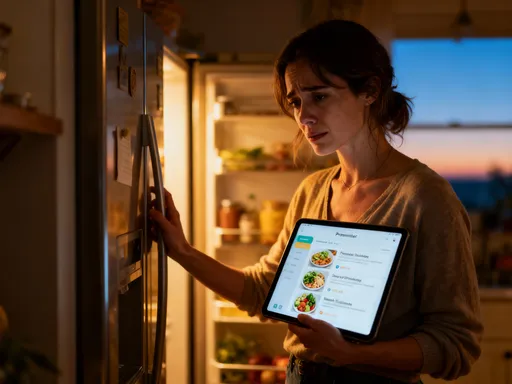
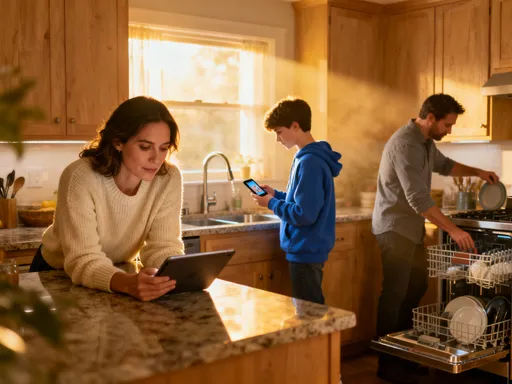
I’ve always prided myself on being the kind of woman who gets things done. Between managing my household, keeping up with family needs, and trying to carve out time for myself, I’ve worn my busy schedule like a badge of honor. But somewhere along the way, that badge started feeling heavier. I’d wake up tired, push through the morning on willpower and caffeine, and then hit a wall around 3 PM. No amount of chocolate or cold water could pull me out of it. My brain felt foggy, my shoulders tight, and my patience paper-thin. I’d snap at my kids over spilled milk, forget simple errands, and fall into bed exhausted—only to lie awake, mind racing.
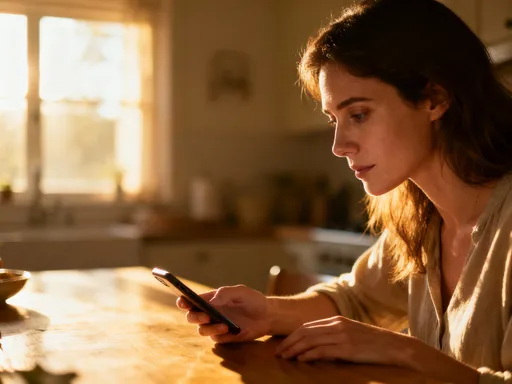
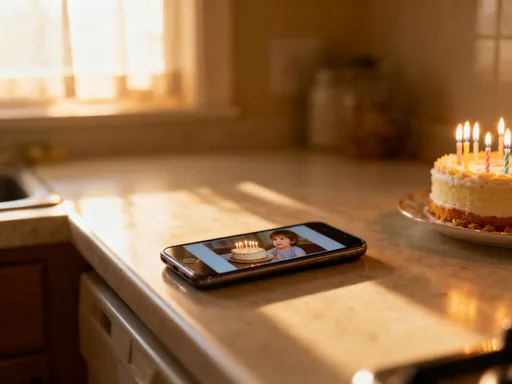
One evening, after missing my best friend’s birthday call because I’d nodded off on the couch, something clicked. I wasn’t just tired. I was out of sync—with my body, my energy, myself. I’d been treating my body like a machine: fuel it, run it, ignore the warning lights. But we’re not machines. We’re living, breathing systems that respond to rhythm, rest, and attention. That night, I made a quiet promise: I would stop ignoring the signals. I downloaded a learning check-in app originally designed for students to track study habits. But I wasn’t going to use it to log hours of reading or writing. I was going to use it to check in with myself—how I felt, moment by moment. Not to judge, not to fix, but simply to notice. And that small shift changed everything.
What Learning Check-In Apps Are (And Why They’re Not Just for Students)
At first glance, learning check-in apps might sound like tools for college kids trying to stay on top of assignments. They typically send gentle reminders—“How much did you study today?” or “What’s one thing you learned?”—and help users build consistency through daily reflection. But what I discovered is that these apps aren’t really about learning in the academic sense. They’re about awareness. They’re about creating a rhythm of pause and reflection in a world that never stops moving.
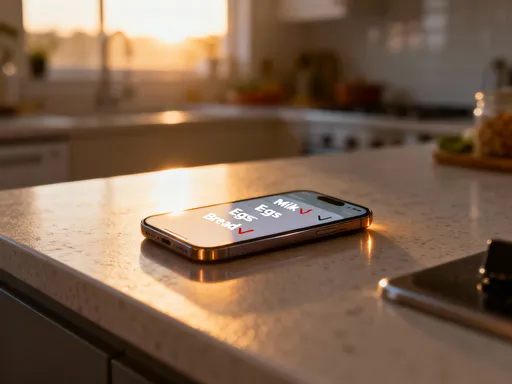
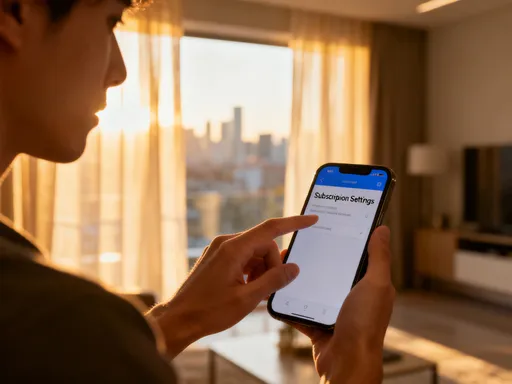
So I reprogrammed mine. Instead of asking about study time, I customized the prompts to fit my life: *How alert do I feel right now? On a scale of 1 to 5? Have I moved in the last hour? Did I drink water since my last check-in? How’s my mood—calm, stressed, or somewhere in between?* The app didn’t offer solutions or scold me for skipping movement. It simply collected data, quietly and without judgment. Over time, it became a mirror, reflecting patterns I’d been too busy to see.
What surprised me most was how quickly these tiny check-ins started shaping my choices. Seeing that I’d logged “low energy” three times in a row made me pause before reaching for another cup of coffee. Noticing that my mood improved after stepping outside—even for two minutes—made me prioritize fresh air. These weren’t grand lifestyle overhauls. They were small moments of connection with myself, made possible by a simple app that asked, “How are you, really?” And that question, repeated over time, became a lifeline.
My First Week: Confusion, Skepticism, and One Surprising Pattern
The first few days were messy. I forgot to check in. My phone buzzed at awkward times—during a school pickup line conversation, right as I was helping my daughter with homework. At first, I resented the interruptions. “I don’t need another thing to do,” I muttered more than once. I even turned off the notifications for a few hours, only to realize I’d missed four check-ins. I felt guilty, then defensive. “It’s just an app,” I told myself. “It doesn’t know my life.”
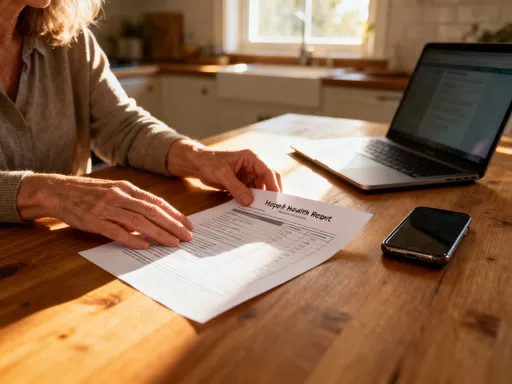
But by day six, something shifted. I opened the app’s weekly summary and saw a clear pattern: every single day, my energy dipped sharply 90 minutes after lunch. Not at 2:30, not at 4:00—consistently around 1:45 PM. At first, I assumed it was laziness, another sign I wasn’t disciplined enough. But then I remembered reading about circadian rhythms—the natural ebb and flow of energy our bodies follow. What if I wasn’t failing? What if I was just experiencing a normal biological dip?
That realization changed how I saw my body. Instead of fighting the crash, I started working with it. I swapped my usual heavy sandwich—loaded with cheese and mayo—for a lighter meal with grilled chicken, greens, and a small portion of quinoa. I also committed to a 10-minute walk after eating, even if it was just around the block or through the backyard. I didn’t expect miracles. But within three days, the crash didn’t vanish—it softened. I still felt a dip, but it was manageable. I could finish a task, respond to an email, or even enjoy a quiet moment with a cup of herbal tea instead of zoning out on the couch. That small win gave me hope. Maybe I didn’t need more willpower. Maybe I just needed better information.
How Tiny Check-Ins Built a Healthier Routine—Without Any Big Changes
One of the biggest myths about self-improvement is that it requires big, dramatic changes. We’re told to wake up at 5 AM, do hour-long workouts, meal prep for the week, and meditate like monks. But for most of us—especially those of us juggling family, work, and endless to-do lists—that’s not realistic. What I loved about the check-in app was that it didn’t demand perfection. It didn’t ask me to run a marathon or give up sugar. It just asked me to notice.
And slowly, those moments of noticing led to small shifts. When I logged “low focus,” the app gently suggested, “Did you stretch in the last hour?” or “Have you stepped outside today?” These weren’t commands. They were friendly nudges, like a thoughtful friend checking in. At first, I ignored them. But after a few days, I started responding. If I’d been sitting for two hours editing a document, I’d stand up, roll my shoulders, and walk to the kitchen for a glass of water. If I noticed I’d skipped stepping outside, I’d bundle up and walk to the mailbox—even in the rain.
These micro-actions didn’t feel like achievements. But over time, they added up. I started pairing check-ins with tiny habits: drinking water before coffee, standing while on phone calls, taking three deep breaths before responding to a stressful text. I didn’t set out to build a wellness routine. But one formed anyway—organically, gently, without pressure. By the end of the second week, I noticed I wasn’t reaching for snacks as often. My sleep felt deeper. And I had more patience—especially with my teenage son, who used to push every button I had. The app didn’t change my life overnight. But it gave me the tools to change it, one small tap at a time.
Connecting Physical Health to Mental Clarity—And Why It Matters for Growth
Here’s what I didn’t expect: better energy didn’t just make me feel less tired. It made me think more clearly, respond more calmly, and feel more present. I started to see a direct link between how I treated my body and how my mind showed up. On days when I moved more, drank enough water, and got sunlight—even for 10 minutes—I handled challenges differently. A delayed school bus didn’t ruin my morning. A last-minute dinner invitation didn’t send me into panic mode. I felt steadier, more grounded.
The app didn’t track productivity, but I was getting more done. Not because I was working longer hours, but because my focus was sharper. I could read a report without rereading the same paragraph three times. I could have meaningful conversations without mentally checking out. And I had more mental space—for creativity, for connection, for joy. I started journaling again. I picked up my camera. I even joined a local book club, something I’d been putting off for years.
This was the real breakthrough: I realized that personal growth isn’t just about learning new skills or setting big goals. It starts with how we care for ourselves on the most basic level. When your body feels supported—when you’re hydrated, moving, and in tune with your natural rhythms—your mind has room to expand. You’re not just surviving. You’re thriving. And that kind of foundation doesn’t come from hustle. It comes from listening, honoring, and responding to your own needs. The app didn’t teach me how to be productive. It taught me how to be present. And that made all the difference.
Making It Work for Real Life: No Perfection, Just Consistency
I won’t lie—there were days I missed check-ins. Busy mornings, family emergencies, moments when I just didn’t feel like it. There were even days I lied. “Yes, I moved!” I’d tap, even though I’d been on the couch for three hours. But here’s what I loved: the app never shamed me. It didn’t send me a red X or a disappointed emoji. It just waited. And the next time the notification popped up, it asked the same gentle question: “How are you feeling right now?”
That lack of judgment was everything. It taught me to extend the same grace to myself. Instead of beating myself up for skipping a walk, I’d think, “Okay, today was hard. But I can try again tomorrow.” I stopped seeing consistency as a rigid rule and started seeing it as a rhythm—like breathing in and out. Some days, I checked in five times. Other days, just once. But that one check-in kept the thread alive. It reminded me that I mattered, even on the messy days.
Over time, the check-ins became second nature. I didn’t think about them. I just did them—like brushing my teeth or locking the front door. They weren’t another task on my list. They became a quiet, daily conversation with myself. And in a world that constantly pulls us in a million directions, that moment of pause became sacred. It wasn’t about collecting data. It was about reconnecting. It was about saying, “I see you. I hear you. You’re not alone.” And that, more than any chart or graph, is what changed me.
Why This Small Habit Gave Me More Than Energy—It Gave Me Peace
After 30 days, I didn’t have a perfect routine. I still have low-energy days. I still forget things. I still sometimes eat dessert for dinner. But I have something better than perfection: self-awareness. I know my rhythms now. I know that my peak focus is between 9 AM and 11 AM, so I schedule my most important tasks then. I know that a 20-minute walk after lunch helps me avoid the crash. I know that going to bed just 30 minutes earlier makes a difference in how I feel the next day.
But more than that, I have peace. I no longer blame myself for feeling tired. I don’t see low energy as a moral failing. It’s just information. And with that information, I can adjust—gently, kindly, wisely. I’ve stopped fighting my body and started partnering with it. I plan my day around my energy, not against it. I say no when I need to. I rest without guilt. I celebrate small wins—like drinking enough water or stepping outside—because I know they matter.
This little app didn’t transform me into a productivity machine. It transformed me into a more compassionate, connected version of myself. It reminded me that taking care of myself isn’t selfish. It’s necessary. It’s the foundation for everything else—being a good mom, a supportive friend, a creative thinker, a calm presence in a chaotic world. And it all started with two simple questions, asked every hour: “How do you feel? What do you need?”
If you’ve ever felt overwhelmed, exhausted, or disconnected from yourself, I want you to know this: you don’t need a complete life overhaul. You don’t need to wake up at dawn or follow a strict regimen. You just need one small habit that helps you listen. Try a check-in app. Use a notebook. Set a reminder on your phone. Just start noticing. Because when you begin to pay attention, everything changes. You stop running on empty. You start living with intention. And that, my friend, is the most powerful upgrade of all.